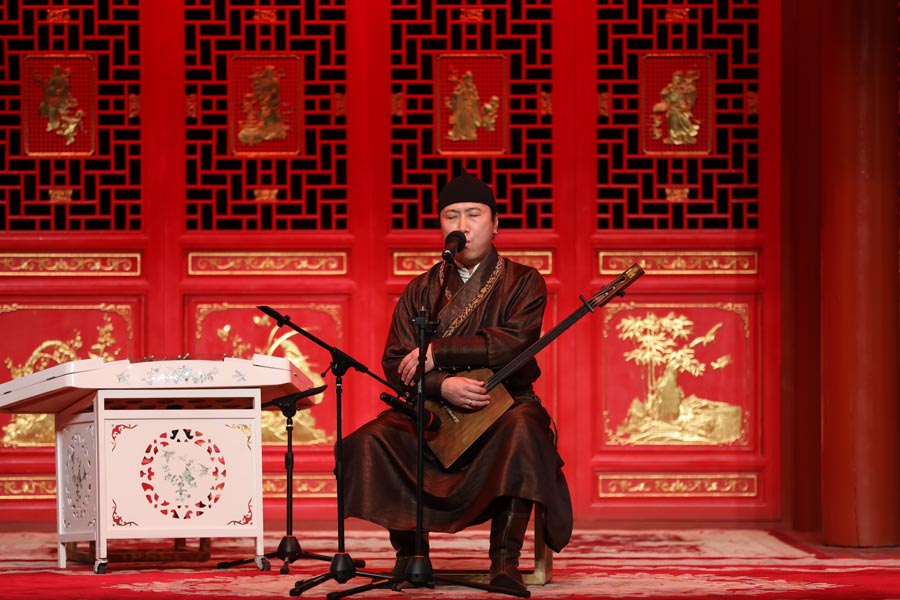
Mongolian Long Song
Overview
The Mongolian Long Song, or "Urtiin Duu" in Mongolian, is a unique form of traditional folk music that has been an integral part of Mongolian culture since long ago. It is a genre that deeply resonates with the Mongolian people's history, culture, aesthetics, ethics and philosophy. The Long Song is characterized by its extended vocalization, allowing each syllable to be drawn out for prolonged periods. This musical form is not just a style of singing but a cultural expression that embodies the vastness and tranquility of the Mongolian steppes. It was inscribed on the Representative List of the Intangible Cultural Heritage of Humanity in 2008 (though it was originally proclaimed in 2005) by UNESCO.
Historical Context
The roots of the Mongolian Long Song can be traced back to the nomadic traditions of the Mongolian people. As an oral tradition, it has been passed down through generations, serving as a historical record and a medium for storytelling. The Long Song has played a vital role in ceremonies and everyday life, often performed during significant events such as weddings, festivals and rituals. It is a living testament to the resilience and adaptability of Mongolian culture, crystallizing the collective experiences of its people over centuries.
Musical Characteristics
The Mongolian Long Song is distinguished by its slow tempo and rhythmic freedom, which allows singers to improvise and express personal emotions. Songs typically feature three parts: the introduction (takt), the main body (baatar), and the conclusion (khug). The vocal technique employed in Long Songs involves precise control of breath and pitch, often featuring a wide vocal range that can span over two octaves.
Prominent Figures
One of the most celebrated figures in the Mongolian Long Song tradition is Badema, often referred to as the "Joan Baez" of the genre. Born in 1940 in Inner Mongolia's Alashan desert, Badema hails from an artistic family and has dedicated her life to preserving and promoting the Long Song. Her extraordinary vocal talent and commitment have earned her accolades as the queen of the Mongolian Long Song. Through her efforts, the Long Song has been recognized as a significant cultural heritage, both nationally and internationally.
Modern Development
In recent years, the Mongolian Long Song has gained recognition beyond the borders of Mongolia. Collaborations with international artists have introduced the Long Song to new audiences, blending traditional and modern musical elements. Performances such as those in large-scale productions like "Memory5D+" showcase the Long Song alongside other traditional Chinese arts, bringing its haunting melodies to a worldwide audience.
Despite its rich heritage, the Mongolian Long Song faces challenges in contemporary society. Urbanization and modernization have led to a decline in traditional practices, and fewer young people are learning this ancient art form. However, efforts by cultural institutions and passionate individuals continue to revive interest and ensure its survival. Educational programs and digital platforms provide new opportunities for the Long Song to reach younger generations, ensuring that this extraordinary expression of Mongolian identity continues to thrive. Article reference1. Cultural diversity and ethnic unity celebrated at online performance. chinadaily.com.cn. 20222. Docuseries highlights country's cultural heritage inheritors. chinadaily.com.cn. 20203. Multimedia extravaganza 'Memory5D+' highlights Chinese culture. chinadaily.com.cn. 2018Photo Gallery(3 pictures)CategoriesCultural HeritageTagIntangible Cultural Heritage of Humanity in ChinaIntangible Cultural HeritageChinese MusicCatalogue1. Overview2. Historical Context3. Musical Characteristics4. Prominent Figures5. Modern Development- - - []








